Why use Deputy? Benefits and a client profile

December 15, 2021

Deputy is a powerful piece of software renowned for making businesses smart, quick and simple. With more than 290,000 happy clients that continue to advocate for the software, Deputy is transforming the landscape of Australian business operations.
Overview

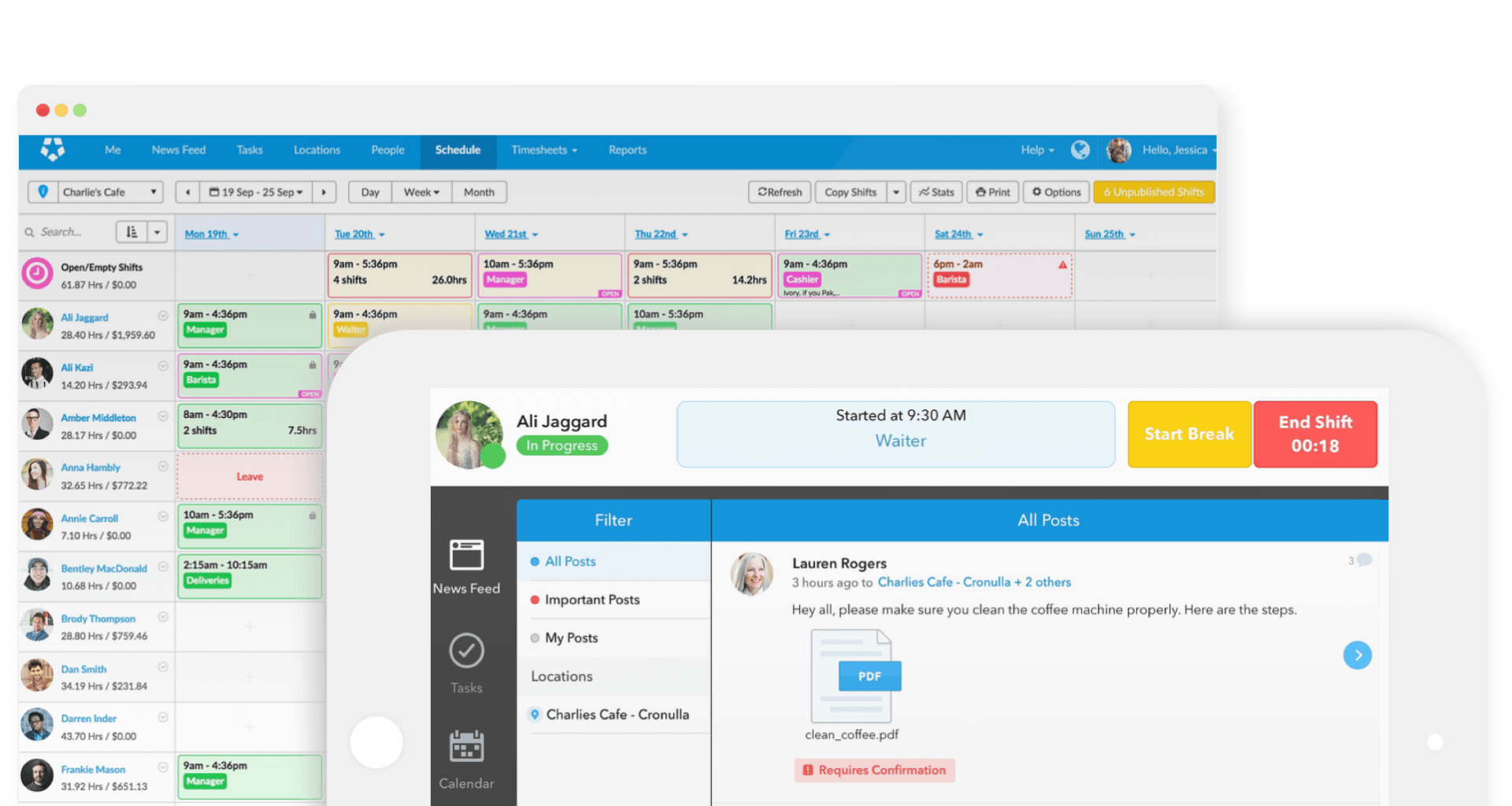
The purpose of Deputy is to streamline the way your business functions. As a comprehensive all-in-one platform, Deputy provides all of the core features you need to continue running your business on a day-to-day level - as well as planning ahead.


Key features of Deputy include employee onboarding, time tracking, rostering and more. Also available on mobile, Deputy is perfect for maintaining business operations whilst on the go.


Benefits of using Deputy

There are many benefits that come with using Deputy. We've outlined some of the main reasons why you should consider integrating Deputy into your business.


Versatility

Deputy was developed with the intention of providing everything your business needs at an administrative level. Because of this, it's the ideal tool for businesses that require versatility in their software. From tracking payroll to communicating with team members, Deputy is equipped with all of the features you need.


Accessibility

Another benefit of Deputy is just how simple and straightforward it is to use. With tours available, even the most technophobic of business owners can begin using Deputy right away. If you're familiar with business management software already, Deputy will feel like home. Our interface is clean, making navigation around the software a breeze.


Mobility

As mentioned previously, Deputy is available as an app. This means that you can keep track of much of your business's operations whilst out of office. This boosts your feeling of security that the business is only a few clicks away if urgent changes need to be made. New users can also be added on an as and when needed basis, perfect for onboarding new employees.


Flexibility

Deputy is able to be integrated with many existing HR software, as well as your current payroll and POS systems. This makes it an incredibly flexible piece of software that you can introduce to operations easily. Deputy is also flexible in that it's able to be used by various industries, including hospitality, retail, healthcare, call centres and more.


Security

Ultimately, Deputy was developed with the growth and continual health of your business in mind. This means that the software boasts fantastic data security, including meeting key industry standards such as being PCI compliant. Annual audits and frequent security assessments are also completed to ensure that our infrastructure remains safe.


How our client "Kinfolk" uses Deputy and Xero


How does Deputy increase staff efficiency?

Deputy's real-time performance review features allow employers to give feedback after every shift and increase employee morale by celebrating top performers and providing support to those who need more assistance. A performance record can also be maintained which can be used to identify trends in job performance and assist in the generation of reports. Employee satisfaction can also be tracked through the rating given by the staff member after completing their shift.


How does Deputy help with staff costing and budgeting?

Deputy shows staff costs while scheduling shifts based on the pay rates assigned to them. This helps in staff allocation based on the budgets for the week or month. Also, the "start shift" and "end shift" options along with 'start break' and 'end break' given to employees during their shifts allow for accurate wage payments based on the actual hours worked. The reports function in deputy helps in monitoring the sales v/s work schedule of employees for a particular week and gives a snapshot of the total costs incurred v/s revenue generated for the week. It also syncs revenue information from the POS system which helps with staff allocation.


How Deputy's award rate interpretation removes the guesswork?

Deputy has multiple award rates based on occupation and level of skills (for example, Chefs come under restaurant industry award (RIA) for level 1-2, and 3 and above). The system automatically calculates rates for weekends, public holidays, night shifts, etc which saves a lot of time.


How do Xero and Deputy sync and create efficiencies?

Deputy allows timesheets to be exported to Xero, and syncs the base pay rates and employee details from Xero. This simplifies the payroll process as updates can be done in one platform and can be synced to another in a short span of time.


Begin using Deputy today

Whether you're a small start-up firm, an SME or a global business chain, Deputy is the perfect software solution for your business needs. To get started, download today for a free trial. You can also contact a member of our friendly team to learn more about the services Deputy offers and how it can revolutionise the way your business works.


Sign up to our
newsletter here!

Share This Post

By 360Accounting Services December 9, 2025
New Title
By 360Accounting Services December 2, 2025
In today's fast-paced digital world, managing your finances effectively is more crucial than ever. For businesses leveraging digital technology, streamlined bookkeeping is not just a good practice—it's essential for sustained growth and success. Here are some top bookkeeping tips tailored for the digital age. Embrace Cloud-Based Accounting Software One of the most significant advancements in bookkeeping is the rise of cloud-based accounting software. Platforms like Xero, QuickBooks Online, and MYOB offer numerous benefits: ● Accessibility: Access your financial data anytime, anywhere, from any device with an internet connection. This is perfect for remote teams or business owners on the go. ● Real-time Updates: Get a live view of your financial health, allowing for quick and informed decision-making. ● Automation: Automate routine tasks such as invoicing, expense tracking, and bank reconciliations, saving you time and reducing errors. ● Integration: Seamlessly integrate with other digital tools you use, such as CRM systems, e-commerce platforms, and payment gateways. Digitise and Automate Expense Tracking Say goodbye to shoeboxes full of receipts. Digital tools make expense tracking effortless: ● Receipt Scanning Apps: Use apps like Receipt Bank or Expensify to capture receipt images on the go. These apps can extract key information and categorise expenses automatically. ● Direct Bank Feeds: Link your business bank accounts and credit cards to your accounting software to automatically import transactions. This reduces manual data entry and ensures accuracy. ● Categorise Consistently: Establish clear expense categories and apply them consistently to gain accurate insights into your spending patterns. Regular Bank Reconciliations Even with automation, regular bank reconciliations are vital. This process involves comparing your accounting records with your bank statements to ensure everything matches up. ● Catch Errors Early: Identify discrepancies or errors promptly, preventing them from escalating into larger issues. ● Prevent Fraud: Regular checks can help detect unauthorised transactions. ● Maintain Accuracy: Ensure your financial statements are accurate and reliable for tax purposes and financial reporting. Utilise Digital Invoicing and Payment Systems Streamline your accounts receivable with digital solutions: ● Electronic Invoicing: Send professional invoices directly from your accounting software via email. This is faster and more eco-friendly than traditional paper invoices. ● Online Payment Gateways: Offer clients various online payment options (e.g., credit card, PayPal, Stripe) to facilitate quicker payments and improve cash flow. ● Automated Reminders: Set up automated reminders for overdue invoices to reduce the time spent chasing payments. Implement Strong Cybersecurity Measures With all your financial data stored digitally, cybersecurity is paramount: ● Strong Passwords and Two-Factor Authentication (2FA): Protect your accounting software and other financial platforms with robust security measures. ● Regular Backups: Ensure your data is regularly backed up to prevent loss in case of a system failure or cyberattack. ● Educate Your Team: Train your employees on best practices for data security and how to recognise phishing attempts. Seek Professional Advice While digital tools empower you to handle much of your bookkeeping, there are times when professional guidance is invaluable. ● Tax Planning: A qualified accountant can help you navigate complex tax laws and optimise your tax strategy. ● Financial Analysis: Gain deeper insights into your financial performance and identify areas for improvement. ● Compliance: Ensure your business remains compliant with all relevant financial regulations. By integrating these bookkeeping tips into your digital technology framework, you'll not only save time and reduce stress but also gain a clearer, more accurate picture of your business's financial health, paving the way for sustained success. For more information or assistance, feel free to contact us at 360 Accountinsg Services via email at enquiries@360accountingservices.com.au
By 360Accounting Services November 26, 2025
As a small business owner, managing your finances can be a complex task. While effective bookkeeping is essential for day-to-day operations, there are specific situations where seeking professional financial advice can provide significant benefits and help ensure your long-term success. Key Indicators It's Time to Consult an Advisor It's important to recognise when your financial situation warrants more than just accurate record-keeping. Here are some common scenarios that suggest it's time to reach out to a professional financial advisor: ● Significant Business Growth: When your business experiences rapid growth, your financial structure often needs to evolve to keep up. An advisor can help you navigate increased revenue, new investments, and scaling operations. ● Complex Tax Situations: If your business has diversified income streams, international operations, or other complex tax implications, a financial advisor specializing in tax planning can help you optimize your tax strategy and ensure compliance. ● Major Business Decisions: Contemplating a significant investment, expansion, acquisition, or sale of your business? These decisions have profound financial implications, and professional advice can help you assess risks and opportunities. ● Cash Flow Challenges: While bookkeeping tracks cash flow, an advisor can help identify underlying issues causing consistent cash flow problems and develop strategies to improve liquidity. ● Personal and Business Financial Blending: Small business owners often find their personal and business finances intertwined. An advisor can help separate these and create clear strategies for both. ● Retirement or Succession Planning: Planning for your eventual exit from the business, whether through retirement or selling, requires strategic financial foresight. An advisor can help create a robust succession plan. ● Unexpected Financial Changes: Market downturns, sudden operational changes, or unforeseen expenses can create financial uncertainty. A professional can help you navigate these challenges and adapt your financial strategy. ● Lack of Financial Knowledge: If you find yourself consistently unsure about financial terminology, investment strategies, or long-term financial planning, it's a clear sign that professional guidance would be beneficial. What a Financial Advisor Can Offer A financial advisor offers a range of services that go beyond the scope of traditional bookkeeping: ● Strategic Planning: Developing long-term financial goals and creating a roadmap to achieve them. ● Investment Guidance: Advising on suitable investment opportunities for your business's growth and stability. ● Risk Management: Identifying and mitigating financial risks that could impact your business. ● Tax Optimisation: Crafting strategies to minimize tax liabilities legally and effectively. ● Succession Planning: Preparing for the smooth transition of business ownership. ● Budgeting and Forecasting: Assisting with more advanced financial projections and budget development. Next Steps If you identify with any of the scenarios above, don't hesitate to seek professional financial advice. A consultation with a qualified advisor can provide clarity, peace of mind, and a stronger financial foundation for your business. For a personalised consultation, contact us at enquiries@360accountingservices.com.au
Show More
By 360Accounting Services December 9, 2025
New Title
By 360Accounting Services December 2, 2025
In today's fast-paced digital world, managing your finances effectively is more crucial than ever. For businesses leveraging digital technology, streamlined bookkeeping is not just a good practice—it's essential for sustained growth and success. Here are some top bookkeeping tips tailored for the digital age. Embrace Cloud-Based Accounting Software One of the most significant advancements in bookkeeping is the rise of cloud-based accounting software. Platforms like Xero, QuickBooks Online, and MYOB offer numerous benefits: ● Accessibility: Access your financial data anytime, anywhere, from any device with an internet connection. This is perfect for remote teams or business owners on the go. ● Real-time Updates: Get a live view of your financial health, allowing for quick and informed decision-making. ● Automation: Automate routine tasks such as invoicing, expense tracking, and bank reconciliations, saving you time and reducing errors. ● Integration: Seamlessly integrate with other digital tools you use, such as CRM systems, e-commerce platforms, and payment gateways. Digitise and Automate Expense Tracking Say goodbye to shoeboxes full of receipts. Digital tools make expense tracking effortless: ● Receipt Scanning Apps: Use apps like Receipt Bank or Expensify to capture receipt images on the go. These apps can extract key information and categorise expenses automatically. ● Direct Bank Feeds: Link your business bank accounts and credit cards to your accounting software to automatically import transactions. This reduces manual data entry and ensures accuracy. ● Categorise Consistently: Establish clear expense categories and apply them consistently to gain accurate insights into your spending patterns. Regular Bank Reconciliations Even with automation, regular bank reconciliations are vital. This process involves comparing your accounting records with your bank statements to ensure everything matches up. ● Catch Errors Early: Identify discrepancies or errors promptly, preventing them from escalating into larger issues. ● Prevent Fraud: Regular checks can help detect unauthorised transactions. ● Maintain Accuracy: Ensure your financial statements are accurate and reliable for tax purposes and financial reporting. Utilise Digital Invoicing and Payment Systems Streamline your accounts receivable with digital solutions: ● Electronic Invoicing: Send professional invoices directly from your accounting software via email. This is faster and more eco-friendly than traditional paper invoices. ● Online Payment Gateways: Offer clients various online payment options (e.g., credit card, PayPal, Stripe) to facilitate quicker payments and improve cash flow. ● Automated Reminders: Set up automated reminders for overdue invoices to reduce the time spent chasing payments. Implement Strong Cybersecurity Measures With all your financial data stored digitally, cybersecurity is paramount: ● Strong Passwords and Two-Factor Authentication (2FA): Protect your accounting software and other financial platforms with robust security measures. ● Regular Backups: Ensure your data is regularly backed up to prevent loss in case of a system failure or cyberattack. ● Educate Your Team: Train your employees on best practices for data security and how to recognise phishing attempts. Seek Professional Advice While digital tools empower you to handle much of your bookkeeping, there are times when professional guidance is invaluable. ● Tax Planning: A qualified accountant can help you navigate complex tax laws and optimise your tax strategy. ● Financial Analysis: Gain deeper insights into your financial performance and identify areas for improvement. ● Compliance: Ensure your business remains compliant with all relevant financial regulations. By integrating these bookkeeping tips into your digital technology framework, you'll not only save time and reduce stress but also gain a clearer, more accurate picture of your business's financial health, paving the way for sustained success. For more information or assistance, feel free to contact us at 360 Accountinsg Services via email at enquiries@360accountingservices.com.au
By 360Accounting Services November 26, 2025
As a small business owner, managing your finances can be a complex task. While effective bookkeeping is essential for day-to-day operations, there are specific situations where seeking professional financial advice can provide significant benefits and help ensure your long-term success. Key Indicators It's Time to Consult an Advisor It's important to recognise when your financial situation warrants more than just accurate record-keeping. Here are some common scenarios that suggest it's time to reach out to a professional financial advisor: ● Significant Business Growth: When your business experiences rapid growth, your financial structure often needs to evolve to keep up. An advisor can help you navigate increased revenue, new investments, and scaling operations. ● Complex Tax Situations: If your business has diversified income streams, international operations, or other complex tax implications, a financial advisor specializing in tax planning can help you optimize your tax strategy and ensure compliance. ● Major Business Decisions: Contemplating a significant investment, expansion, acquisition, or sale of your business? These decisions have profound financial implications, and professional advice can help you assess risks and opportunities. ● Cash Flow Challenges: While bookkeeping tracks cash flow, an advisor can help identify underlying issues causing consistent cash flow problems and develop strategies to improve liquidity. ● Personal and Business Financial Blending: Small business owners often find their personal and business finances intertwined. An advisor can help separate these and create clear strategies for both. ● Retirement or Succession Planning: Planning for your eventual exit from the business, whether through retirement or selling, requires strategic financial foresight. An advisor can help create a robust succession plan. ● Unexpected Financial Changes: Market downturns, sudden operational changes, or unforeseen expenses can create financial uncertainty. A professional can help you navigate these challenges and adapt your financial strategy. ● Lack of Financial Knowledge: If you find yourself consistently unsure about financial terminology, investment strategies, or long-term financial planning, it's a clear sign that professional guidance would be beneficial. What a Financial Advisor Can Offer A financial advisor offers a range of services that go beyond the scope of traditional bookkeeping: ● Strategic Planning: Developing long-term financial goals and creating a roadmap to achieve them. ● Investment Guidance: Advising on suitable investment opportunities for your business's growth and stability. ● Risk Management: Identifying and mitigating financial risks that could impact your business. ● Tax Optimisation: Crafting strategies to minimize tax liabilities legally and effectively. ● Succession Planning: Preparing for the smooth transition of business ownership. ● Budgeting and Forecasting: Assisting with more advanced financial projections and budget development. Next Steps If you identify with any of the scenarios above, don't hesitate to seek professional financial advice. A consultation with a qualified advisor can provide clarity, peace of mind, and a stronger financial foundation for your business. For a personalised consultation, contact us at enquiries@360accountingservices.com.au